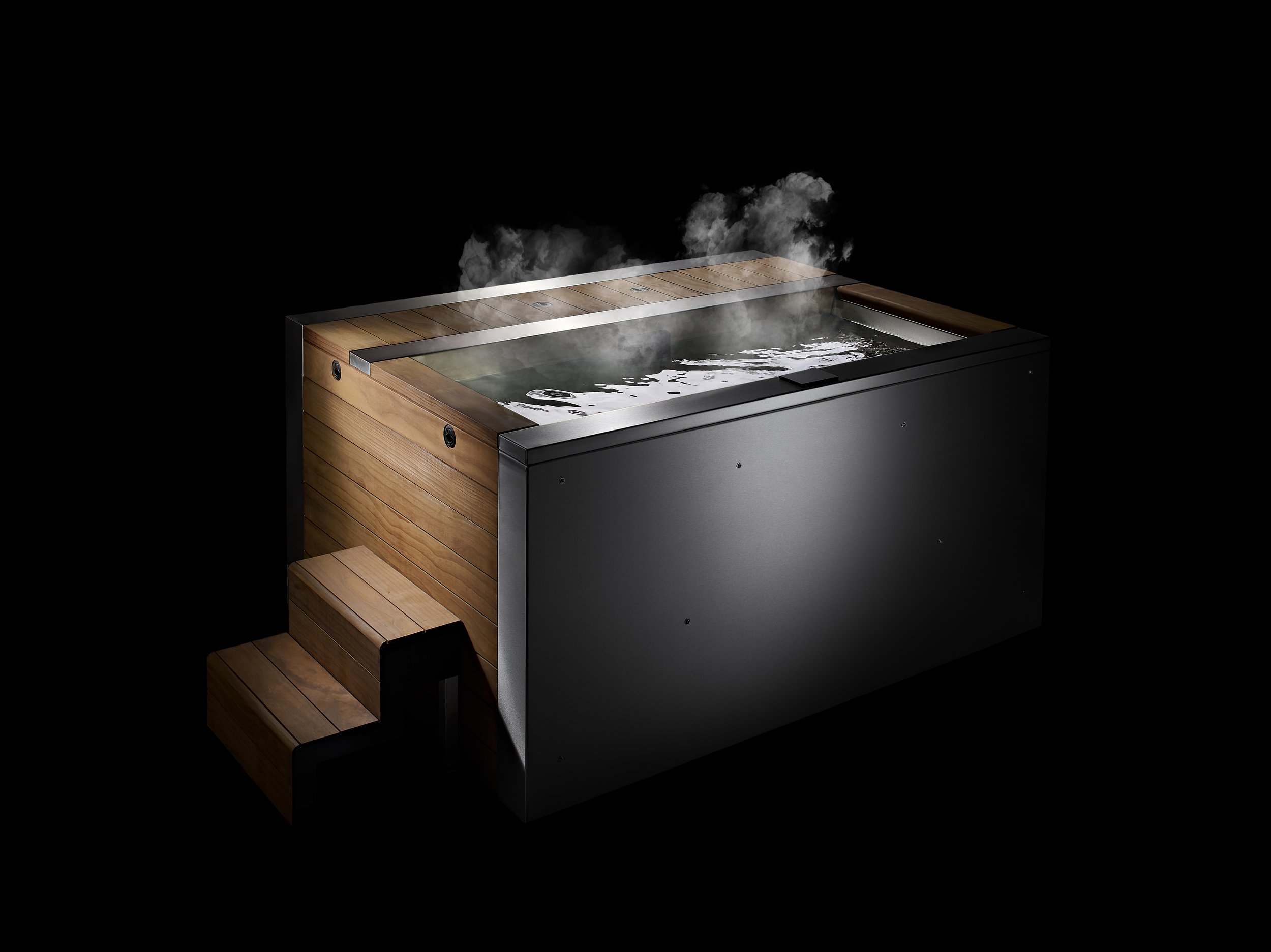
Water Care, Made Simple
When people think about hot tubs or ice baths, one of the first questions they ask is about chemicals. How many do you need, what are they for, and does the water feel harsh on your skin?
At Tubmarine, we design all of our products to be straightforward to own and easy to look after. Whether you are using one of our soaking tubs, electric hot tubs, or ice baths, the aim is always the same: clean, safe water without unnecessary complexity.
This guide explains the small number of products typically used, why they matter, and how we help you manage them with confidence.
Why Any Chemicals Are Needed at All
Warm water, and even cold water, creates an environment where bacteria can grow if it is not treated. Chemicals are not about making the water aggressive or unpleasant. They are simply there to keep the water hygienic, clear, and safe for regular use.
Used correctly, water treatment should be subtle and barely noticeable. The water should feel clean, not chemical.
Why We Recommend Bromine
For all of our stainless steel tubs, we generally recommend bromine rather than chlorine.
Bromine has a few key advantages:
It is gentler on skin and eyes, which is particularly important for people who are sensitive to chlorine.
It is more stable at higher temperatures, making it well suited to hot tubs and soaking tubs.
It is less aggressive towards stainless steel components over time.
Bromine still does the same job as chlorine: it sanitises the water. The difference is in how it feels and how it behaves once it is in the tub.
Keeping the Water Balanced (pH)
Alongside a sanitiser like bromine, the other key factor is pH. This simply refers to how acidic or alkaline the water is.
Keeping pH in the correct range matters because:
It helps the bromine work effectively.
It keeps the water comfortable on your skin.
It protects the tub and its components from unnecessary wear.
In practice, this usually means occasionally adding a small amount of pH increaser or reducer, based on a simple test strip reading. It is not something you need to adjust constantly.
Other Products You May See
Depending on how often the tub is used and how it is set up, you may also come across:
Shock treatment, used occasionally to refresh the water after heavy use.
Test strips, which quickly show bromine and pH levels.
Filters, which physically remove debris and are cleaned or replaced as part of routine maintenance.
These are all supporting tools rather than everyday tasks.
Soaking Tubs, Electric Hot Tubs, and Ice Baths
While the water temperature and usage patterns differ, the principles are the same across our range:
Soaking tubs and electric hot tubs rely on bromine and balanced pH to keep warm water safe and comfortable.
Ice baths generally require lower chemical levels due to the cold temperature, but still benefit from proper sanitisation and filtration.
We tailor our guidance to each product so you are never guessing what applies to your tub.
Simple Habits That Reduce Chemical Use
Good water care is not only about what you add to the tub.
Simple habits make a real difference:
Showering before use reduces oils, cosmetics, and sweat entering the water.
Keeping the tub covered when not in use helps maintain water quality.
Rinsing filters regularly improves circulation and clarity.
These small steps often reduce the amount of treatment needed overall.
Clear Guidance, Included With Every Tub
Every Tubmarine product is supplied with detailed, easy to follow water care guidance specific to that tub.
We explain what to use, how often, and why, without jargon or unnecessary complication. And if you ever have questions, we are always happy to talk you through it.
The goal is simple: water that feels clean, comfortable, and effortless to maintain, so you can focus on using the tub rather than worrying about it.